CJ Koome names panel for coffee estate dispute case challenging judicial immunity
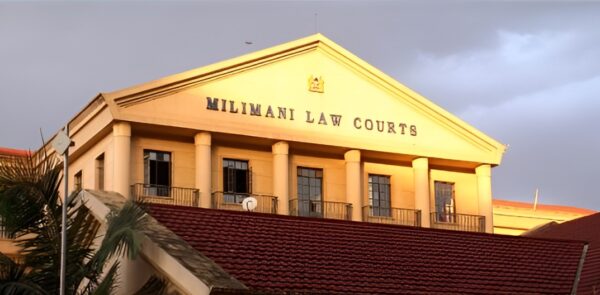
The case revolves around the disputed sale of a 443-acre coffee estate in Kiambu County, a matter dating back more than three decades.
A three-judge panel has been appointed to hear a petition that could challenge the long-standing protection afforded to judges under judicial immunity.
The case revolves around the disputed sale of a 443-acre coffee estate in Kiambu County, a matter dating back more than three decades.
More To Read
- JSC appoints 100 new Resident Magistrates to boost judiciary services
- High Court petition challenges IEBC’s role in legal profession elections
- Judiciary urges state to plug funding gap as Nairobi courts face heavy caseload
- CJ Koome urges contextual enforcement of Marriage Act, stronger family justice system
- How circuit, mobile courts expanded justice to underserved communities - report
- CJ Koome affirms Judiciary’s commitment to transparency, says trust central to transformation
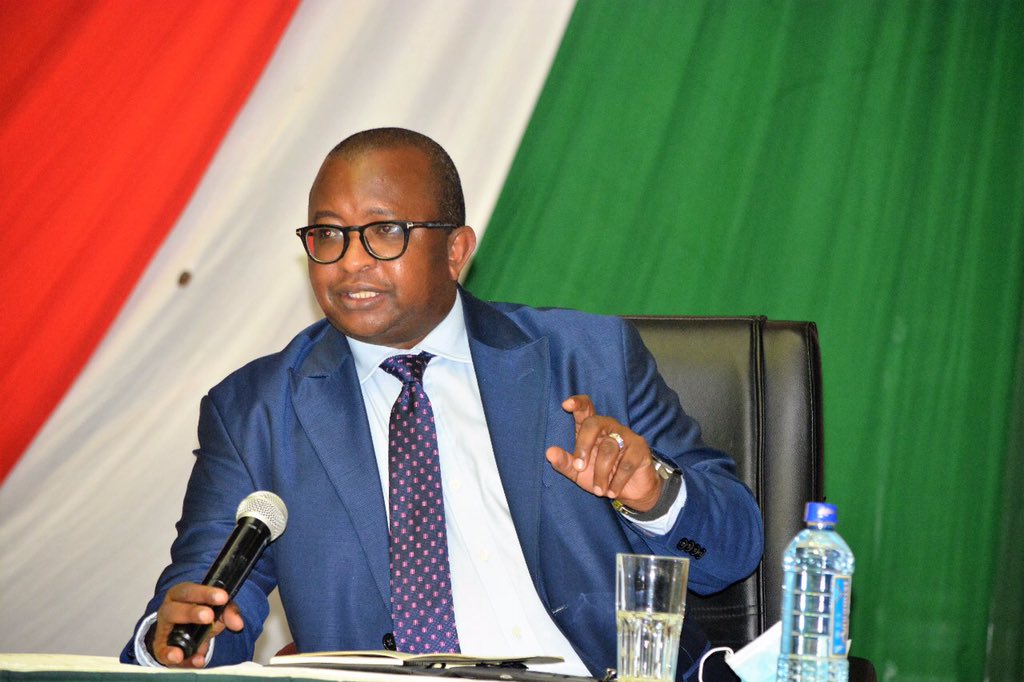
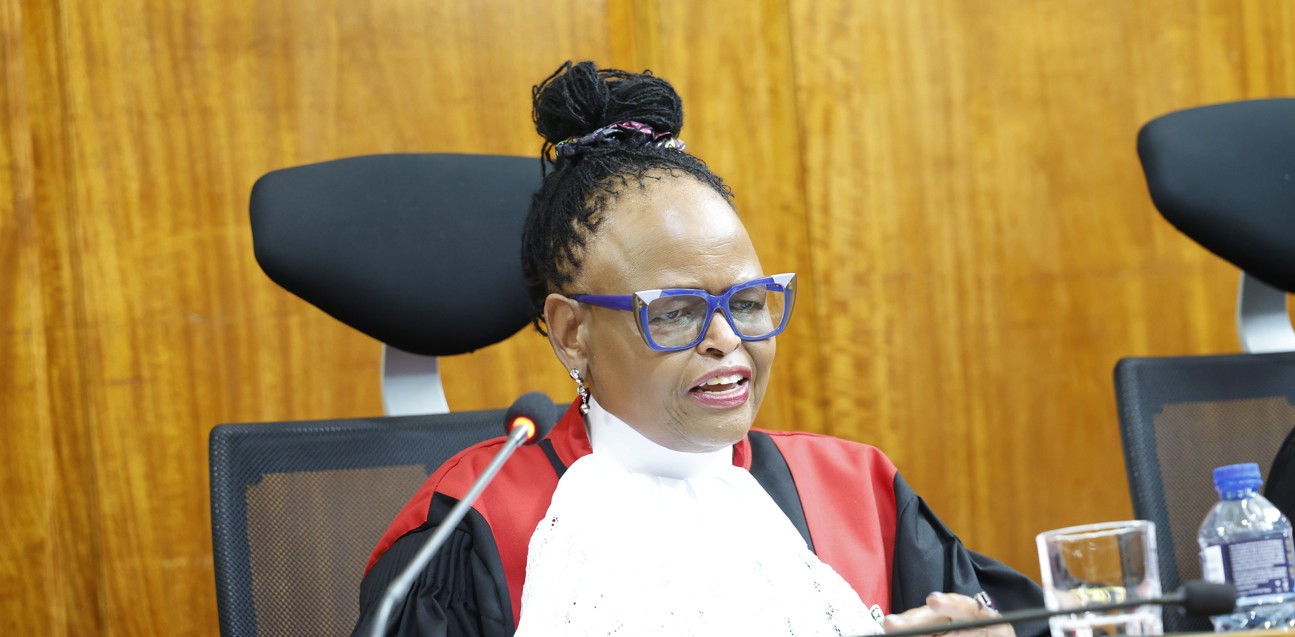
Chief Justice Martha Koome designated Justices Eric Ogola, Hillary Chemitei, and Roselyne Aburili to hear the petition, with Justice Ogola serving as the presiding judge.
The High Court Deputy Registrar notified the parties, instructing advocates to submit three complete sets of documents and to schedule the case for directions.
The Chief Justice’s decision came after the High Court noted that the issues raised, particularly on immunity, are constitutional and of substantial public interest.
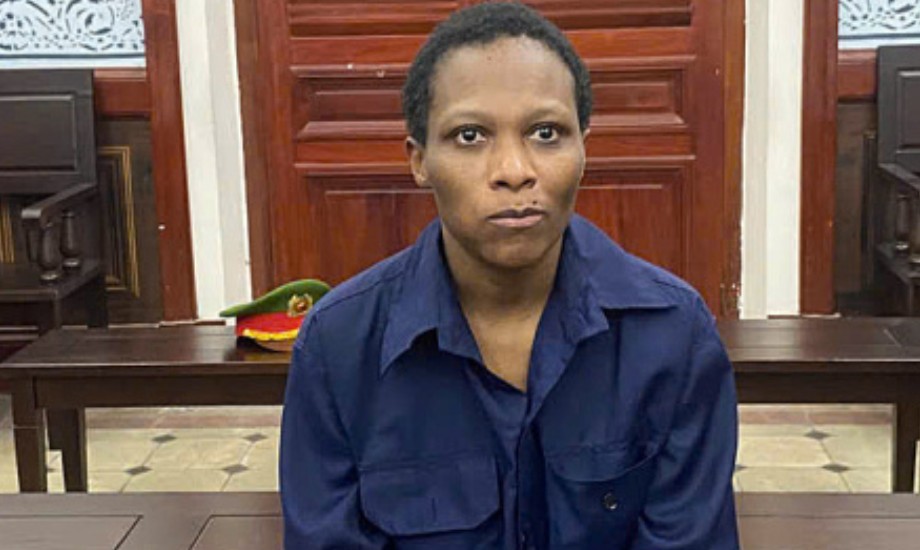
The petition, filed last month by businessman Captain Kung’u Muigai, Benjoh Amalgamated Limited, and Muiri Coffee Estate Limited, targets eight senior judges and the Judicial Service Commission (JSC).
It challenges the auction of the coffee farm, which petitioners claim was carried out based on a consent decree from May 4, 1992, that they allege never existed.
According to the petitioners, the decree was never signed or recorded, yet it was used to justify the transfer of their property.
The judges named as respondents include Supreme Court Justices Mohamed Ibrahim, Njoki Ndung’u, and Isaac Lenaola, as well as Court of Appeal Judges Milton Asike Makhandia, Kathurima M’Inoti, Sankale Ole Kantai, Francis Tuiyott, and John Mativo.
They have been sued in their personal capacities, testing the limits of judicial immunity in Kenya.
The petitioners claim the sale was based on a falsified consent decree, a finding originally supported by Justice Erastus Githinji in 1997 but later overturned by appellate judges.
They argue the subsequent appellate decisions were flawed, noting integrity concerns about some judges who later left the Judiciary.
Despite multiple challenges, both the High Court and Court of Appeal benches, including Justices Lenaola (2004) and Mativo (2024), upheld KCB’s actions and confirmed the disputed decree.
The petitioners maintain these rulings were made in bad faith and resulted in the loss of their property.
They contend that Article 160(5) of the Constitution, which grants immunity for acts done in good faith, should not protect judges accused of unlawful conduct.
“The immunity clause cannot shield manifest illegality,” states the petition.
The bench will also examine whether the petitioners’ constitutional rights were infringed, including rights to property, fair administrative action, and due process.
Top Stories Today